Kyoto Culinary Philosophy: The Ritual of Kaiseki
An intimate examination of micro-seasonal harvests, heirloom vegetables, and intentional tea-ceremony hospitality along the Kamo River.
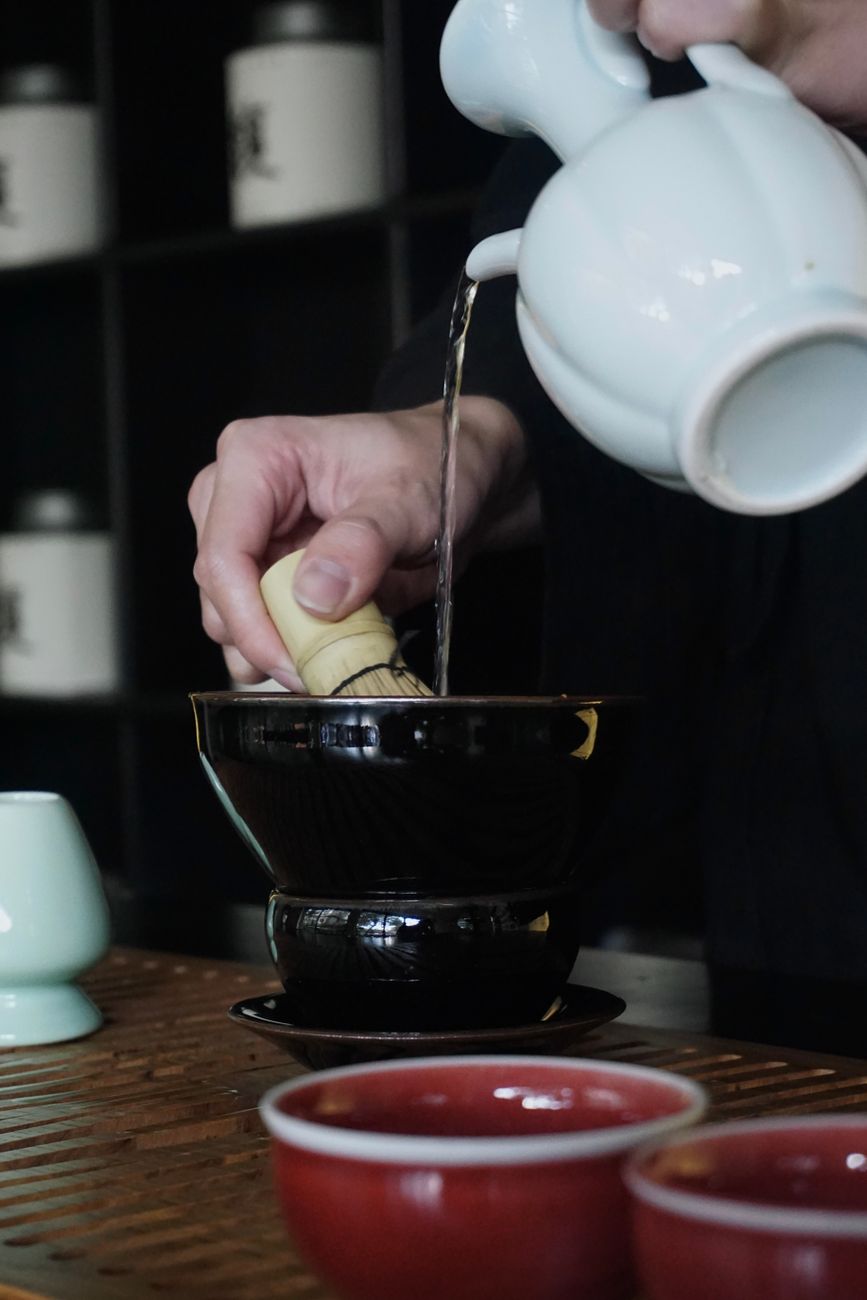
In Kyoto’s narrow Gion alleyways at dusk, the scent of burning binchotan charcoal and simmering kombu broth wafts through cedar lattices. To understand kaiseki is to step outside Western conventions of culinary spectacle and engage with a philosophy that measures time in 72 subtle micro-seasons (kō).
1. The Micro-Season Dial
Rather than relying on imported luxury staples, an authentic Kyoto kitchen derives tension and balance from what is fleetingly available today. Wild burdock root dug from cold clay, sweet river sweetfish (ayu) salt-grilled on skewers, and young bamboo shoots plucked at dawn constitute an ephemeral narrative of the week.
"A dish must represent not the chef’s ego, but the exact breath of the current season in the valley." — Master Jiro Kaneko
2. Vessels as Memory
In kaiseki, the vessel is equal in weight to the ingredients. Diners frequently encounter lacquer bowls bearing century-old makie gold repairs (kintsugi) or coarse Bizen stoneware fired forty years prior. Each vessel tells the geological and ancestral story of the region.
3. Mindful Dining Etiquette
Travelers visiting traditional establishments are encouraged to refrain from synthetic fragrances, to arrive punctually, and to photograph sparingly. True savoring requires undistracted sensory commitment.
Explore Asia Itineraries
Discover our tailored cultural routes across regional Japan.