Minimalist Expedition Packing for Desert Terrain
Field-tested gear guidelines, electrolyte equilibrium, and fiber selections for navigating arid canyons and high salt deserts.
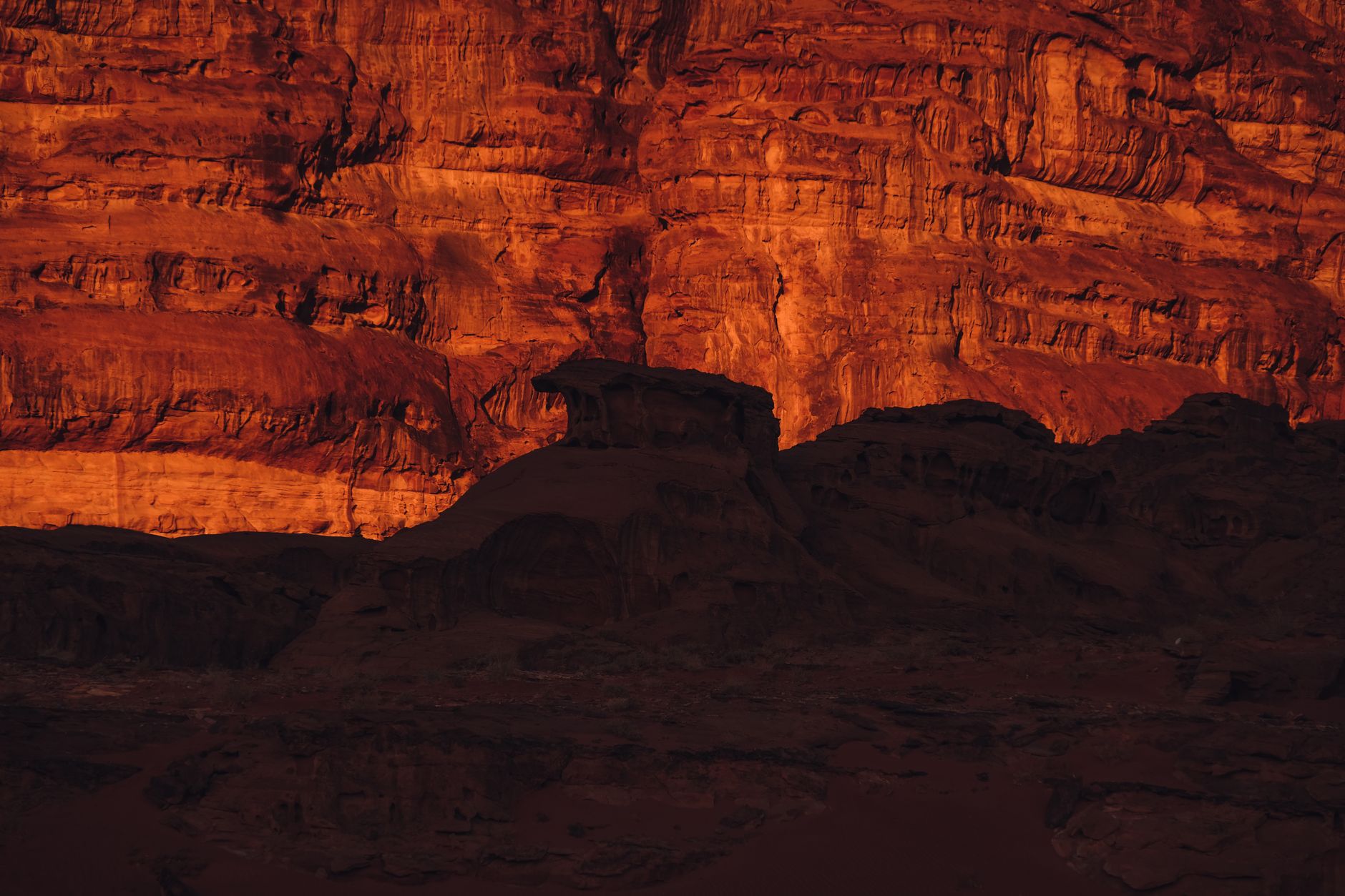
The desert deceives the unprepared traveler through its dramatic thermal range. In places like Atacama, Southern Utah, or Baja California, daytime solar radiation can elevate temperatures past 38°C, only to plunge below freezing as soon as the sun dips beneath the canyon rim.
1. The Dynamic Dual Climate
Synthetic polyester garments frequently trap stale odor and break down under intense UV exposure. We rely on ultra-fine 150gsm merino wool hoodies for sun deflection and moisture regulation during noon hours, paired with a packable 800-fill down vest stored inside a sealed dry bag for twilight descents.
2. Hydration & Osmotic Load
Drinking plain water in arid low-humidity atmospheres is insufficient. Without balanced mineral salts (sodium, potassium, and magnesium), cellular hydration declines while metabolic fatigue surges. Aim for 750ml of isotonic electrolyte solution per two hours of moderate trail elevation gain.
3. Non-Negotiable Kit
- Polarized Category 3 or 4 optics with peripheral protection.
- Topographical offline vector maps loaded on a standalone GPS device.
- Wide-brimmed linen or cotton duck expedition hat with neck drape.
- Compact high-potency zinc sunscreen with zero reef-damaging chemicals.
Planning a Remote Trek?
Consult with our editorial team for tailored wilderness briefs.