The Quiet Art of Scandinavian Coastal Retreats
Examining the restorative geometry of remote Norwegian cabins, sub-zero plunge traditions, and the preservation of coastal tranquility.
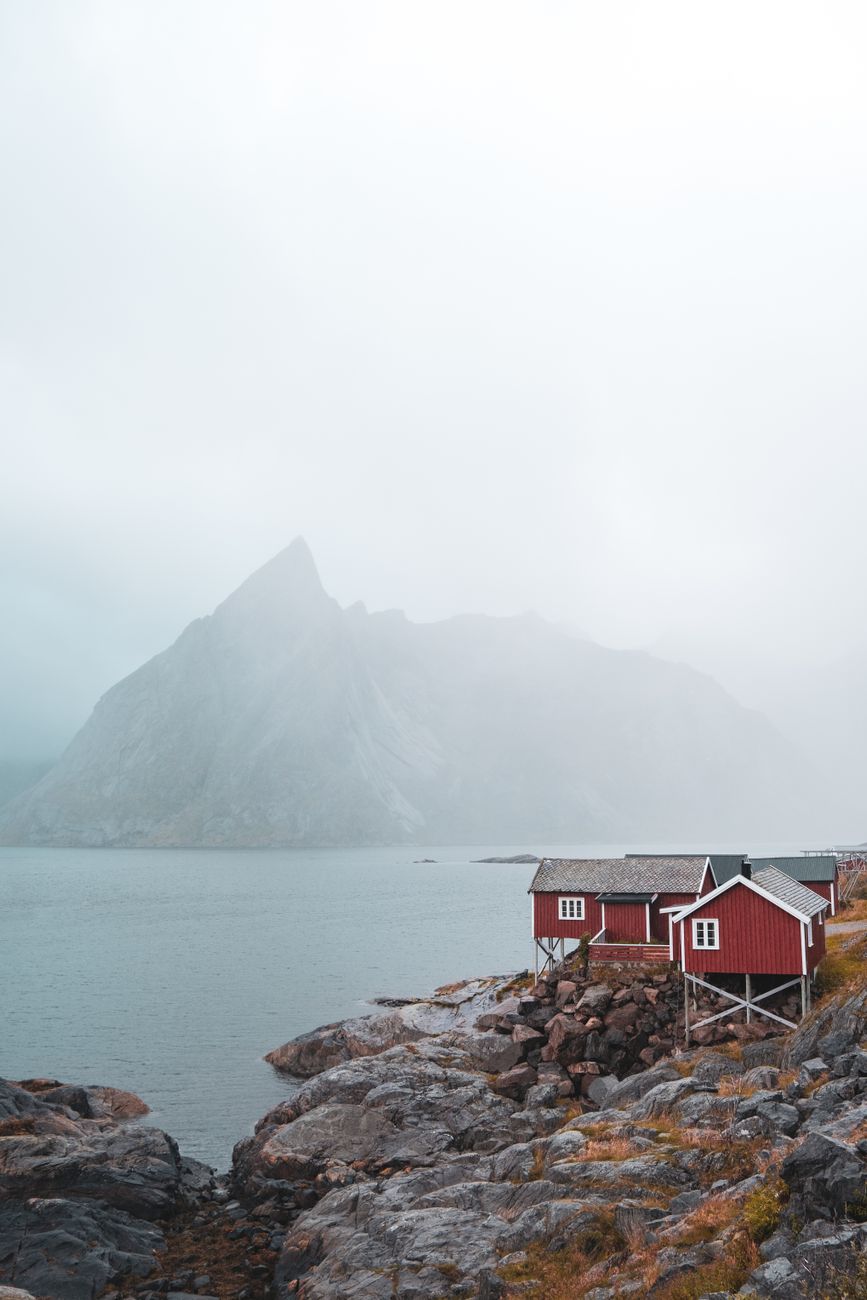
When the ferry pulls away from the mainland harbor toward the outer perimeter of Helgeland, the customary hum of urban velocity diminishes with every nautical mile. Here, where granite cliffs plunge directly into the Atlantic, architectural minimalism is not a trendy stylistic exercise; it is an uncompromising survival adaptation refined through centuries of gale-force winters.
1. The Architecture of Shelter
Modern Scandinavian architects have rediscovered traditional pine tar treatments and vernacular stilt foundations (locally termed rorbuer). Rather than imposing grandiose glass monuments upon the coastal rock, the new wave of eco-lodges sits discreetly upon natural fissures, insulated with dense rockwool and dressed in untreated cedar that weathers gracefully into silver-grey.
"To construct something in the outer archipelago is to acknowledge that the sea will always dictate terms. Our work simply frames the silence." — Henrik Lindqvist, Architect
2. The Diurnal Cycle
Life inside these sanctuaries organizes itself around daylight parameters and wood-stove temperatures. Morning begins with birchwood kindling, a strong pot of roasted beans, and a plunge into four-degree sea waters followed instantly by wood-fired cedar saunas. This rhythmic shock stimulates the nervous system and fosters an acute awareness of one's immediate physical surroundings.
3. Seasonal Travel Realities
Prospective travelers must abandon rigid scheduling. Ferry operations in mid-October through March are strictly weather-contingent. Packing high-denier windproof outerwear, merino base layers, and independent satellite communication remains prudent, even for short-term stays within established retreats.
Seek Similar Expeditions?
Our correspondents curate quiet coastal itineraries year-round.